
China Town Revitalization Project Launching Phase II
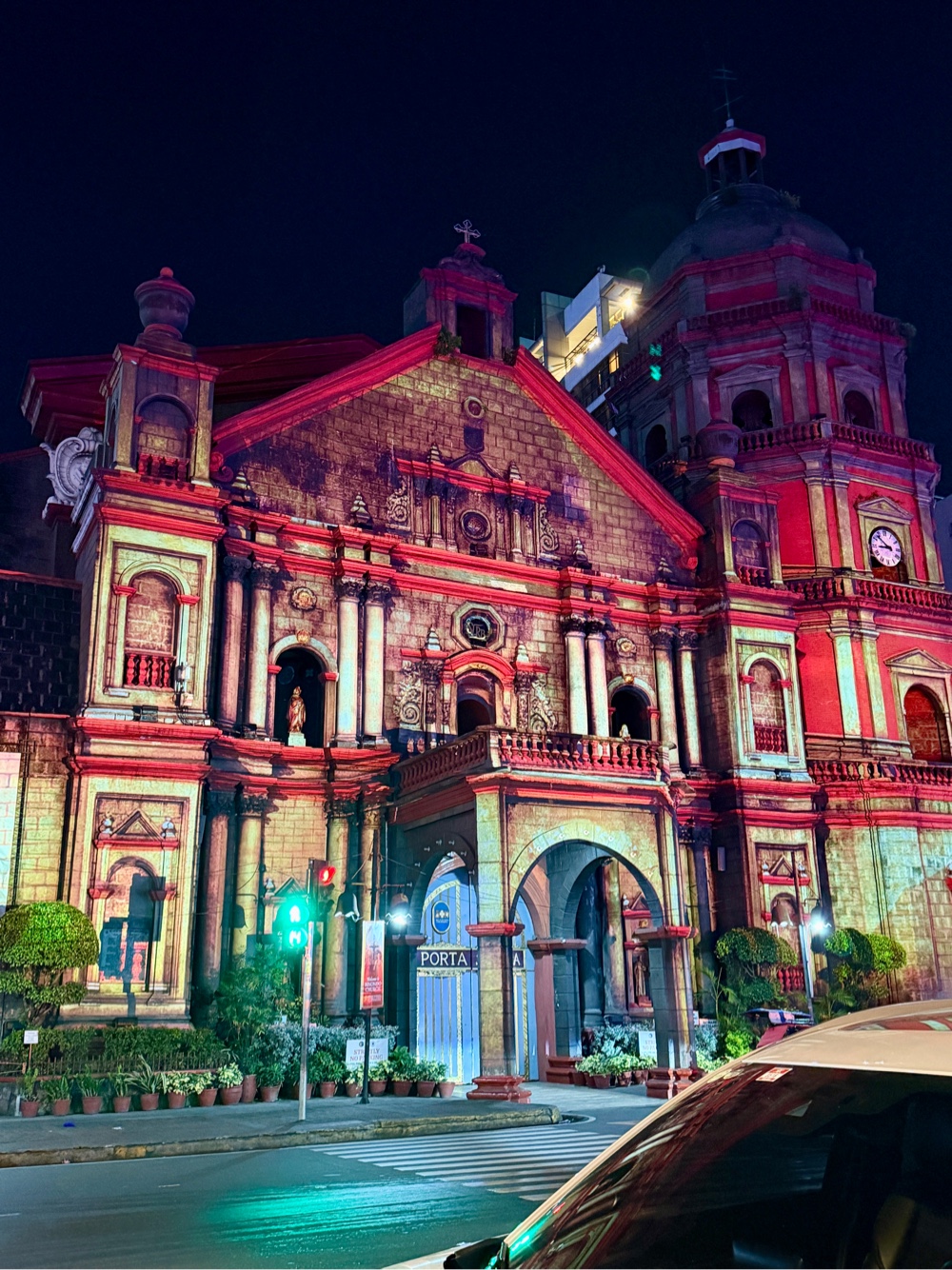
The lighting of selected streets and landmarks in Binondo symbolizes the district’s long
and remarkable journey—from its founding in 1594 as the world’s oldest Chinatown and
a historic center of trade and cultural exchange, to its present role as a protected yet vibrant heritage district at the heart of Manila.


The Phase 1 of the Chinatown Revitalization Project: Lighting of the Jones Bridge drew strong inspiration from the momentum and vision of the Pasig River Bigyang Buhay Muli Project which demonstrated how heritage restoration can catalyze urban renewal and civic pride. Building on that model, Phase 2 aims to light up and honor more than four centuries of Filipino–Chinese history, resilience, and contributions to the nation’s commercial and cultural life. It allows Binondo Chinatown’s legacy to be seen,
appreciated, and celebrated by present and future generations, while aiming to positioning the district as a renewed destination for culture, tourism and economic activity.
Project Vision and Impact
This Project focuses on illuminating key streets, commercial corridors, and cultural
landmarks to:
To celebrate Phase 2 completion of the Chinatown Revitalization Project as a
catalyst for sustainable urban renewal;
To honor Binondo Chinatown’s historical, spiritual, and commercial legacy,
reinforcing its role as a living center of culture and trade;
To promote heritage tourism through immersive urban lighting that will increase
foot traffic, stimulate local spending;
To amplify Binondo’s rich food culture through social media engagement that
may spark wider interest in Chinatown’s culinary traditions;
To strengthen cultural pride among Filipino-Chinese communities, fostering
longterm stewardship and investment in the area.
1
Background of the Project
The lighting of pockets of Chinatown symbolizes Binondo’s long and remarkable
journey—from its beginnings in 1594 as the world’s oldest Chinatown, established as a
center of trade and cultural exchange, to its present role as a living heritage district at the
heart of Manila.

For more than four centuries, Binondo has witnessed the evolution of the Filipino-Chinese
community, surviving colonial rule, war, and modernization, while continuously shaping
the nation’s commercial and cultural life. Through light, this project honors that enduring
legacy, allowing Binondo’s history to be seen, appreciated, and celebrated by present
and future generations.
Moreover, by highlighting Binondo’s unique heritage and vibrant streetscapes, this
initiative is expected to attract visitors from across the Philippines and abroad, serving as
a catalyst for cultural tourism and boosting local economic activity.
From the very first proposal of this initiative and following the successful implementation
of Phase 1: The Jones Bridge Lighting, this vision has received the consistent support
and encouragement of President Ferdinand Marcos Jr. and the First Lady Louise Araneta
Marcos. Their steadfast support underscored the importance of cultural heritage in the
national agenda and demonstrated how careful preservation contributes to a stronger
sense of identity, shared pride, and sustainable cultural tourism. Their endorsement has
not only helped bring this project to reality but has also inspired wider participation from
communities, institutions, and stakeholders, ensuring that Binondo’s revitalization is
rooted in shared responsibility, collective stewardship, and a unified commitment to
safeguarding the nation’s cultural legacy.
Binondo is widely recognized as a place of deep historical, cultural, and economic
significance. Its streets, buildings, and traditions reflect centuries of lived heritage that
continue to shape its identity today. Because of this importance, any interventions within
the district must be approached with sensitivity and respect for its authentic character,
ensuring that preservation and progress are balance and well thought of. Within these
parameters, the project demonstrates that revitalization need not rely on invasive
development. Instead, through careful, respectful, and reversible interventions— most
notably the use of light as a subtle, non-intrusive medium—the initiative shows how
meaningful transformation can be achieved with minimal physical impact and limited
financial resources.
Made possible through the shared generosity and voluntary contributions of the Filipino-
Chinese community, the project reflects a strong spirit of collective stewardship and pride
in Binondo’s heritage. By illuminating key streets, commercial corridors, and cultural
landmarks, the project reinforces the district’s historic identity while positioning Binondo
as a vibrant destination for visitors to enjoy its enduring heritage and contemporary urban
life.
In turn, the First Lady reciprocated the generosity of the community by actively helping promote the project and providing a platform for national visibility to the initiative. Through the President and the First Lady’s support, the Binondo Chinatown lighting project aims
to gain wider traction, attracting increased interest from tourists, cultural advocates, and the general public.
This kind of partnership elevated the project into a shared national endeavor—one that is
not only inspired by, but also complements the broader urban and cultural renewal efforts
of the Pasig River Bigyang Buhay Muli Project. The momentum created by the Pasig River revitalization has extended beyond the riverbanks, encouraging adjacent historic
districts like Binondo to reimagine spaces through preservation, beautification, and renewal.





No comments